INNOVATIVE
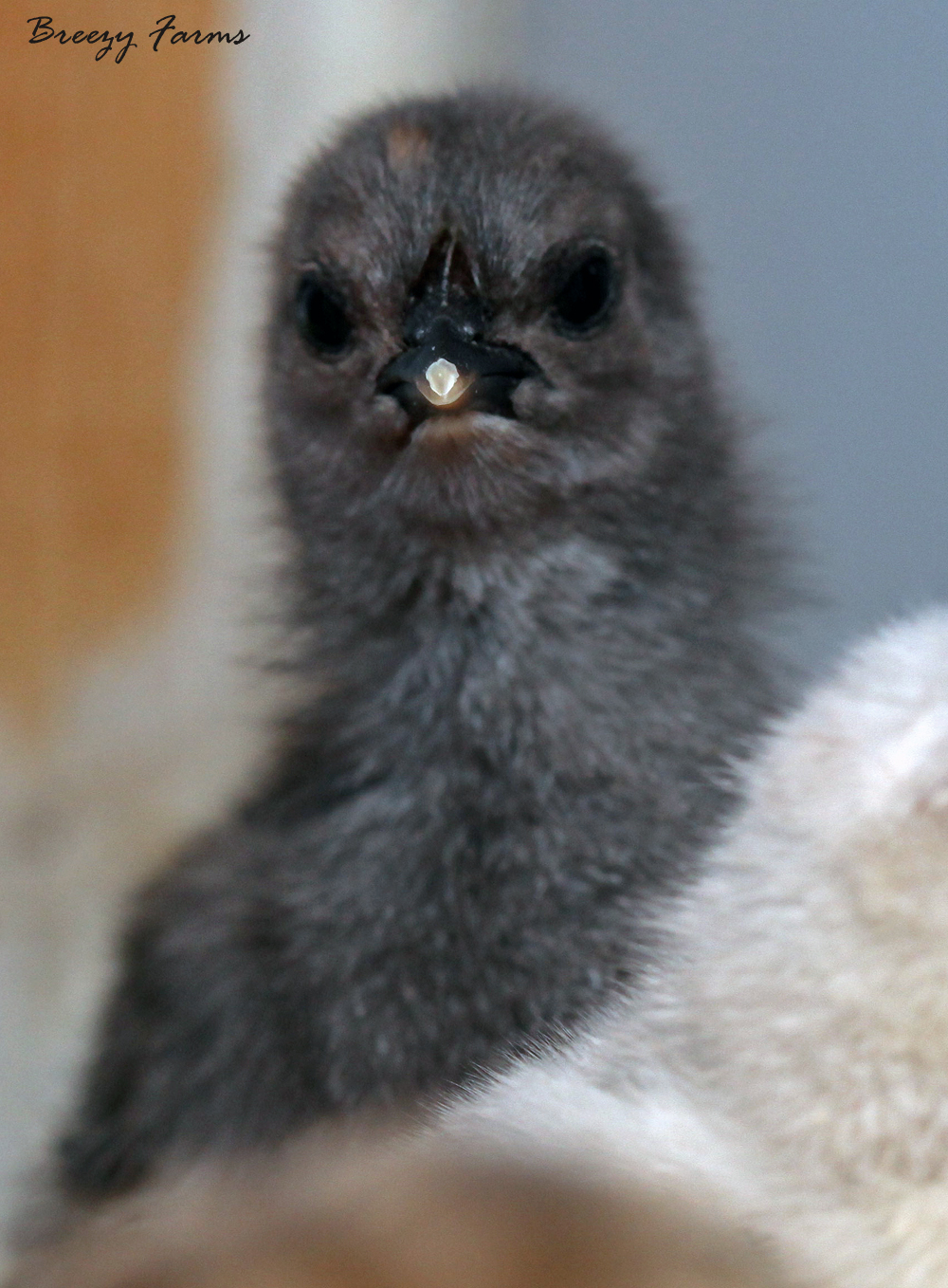
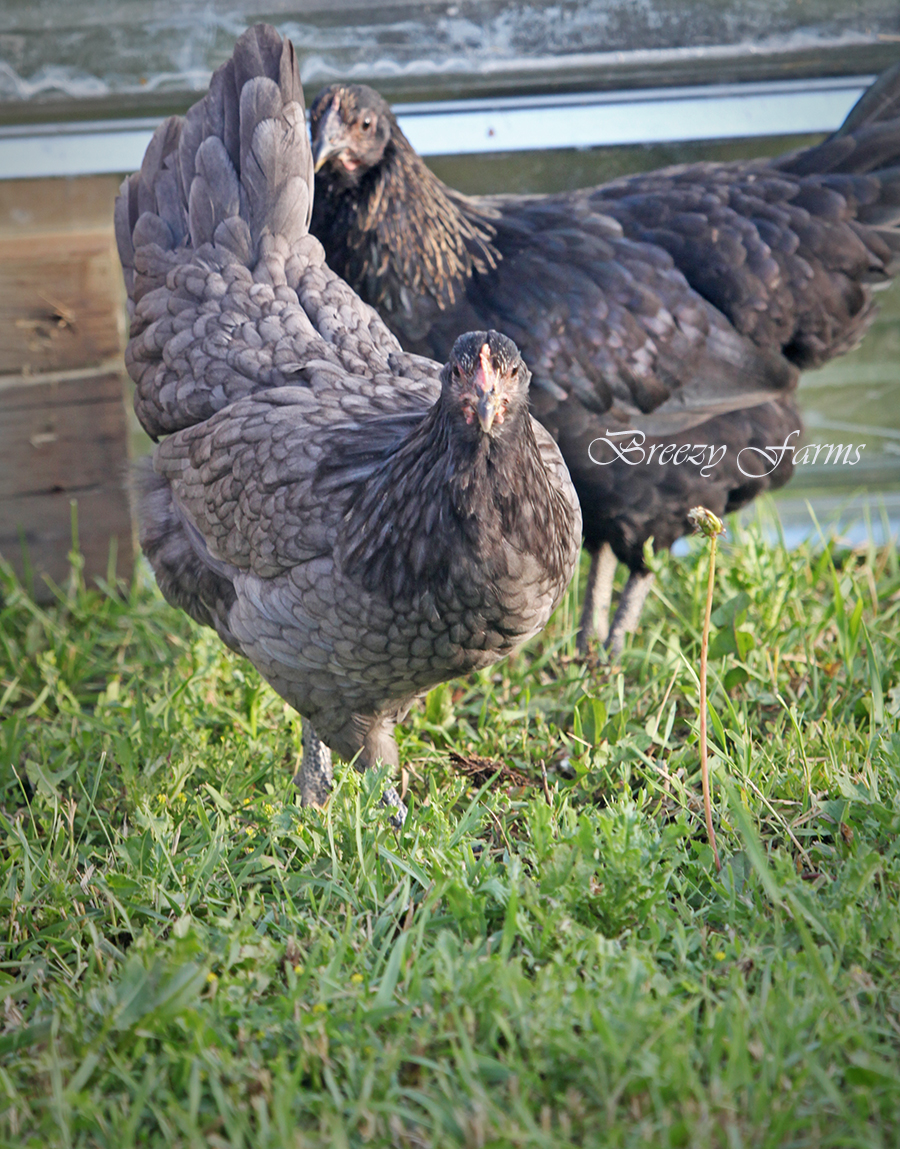
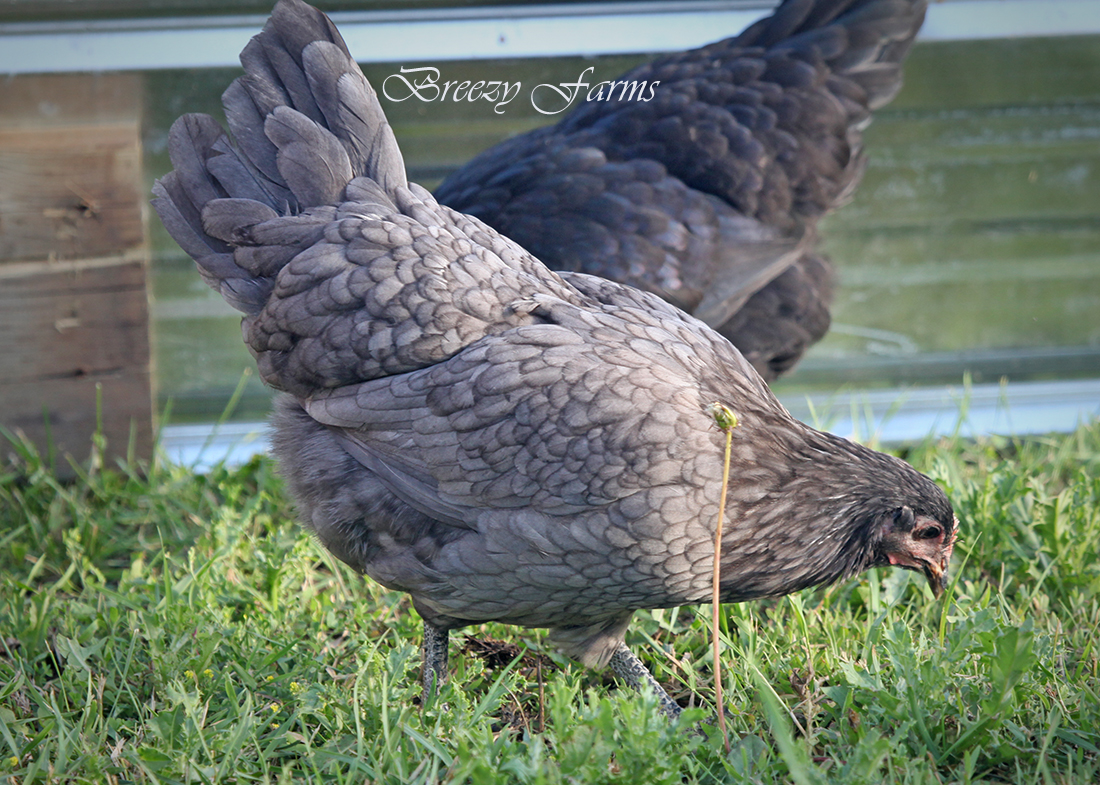
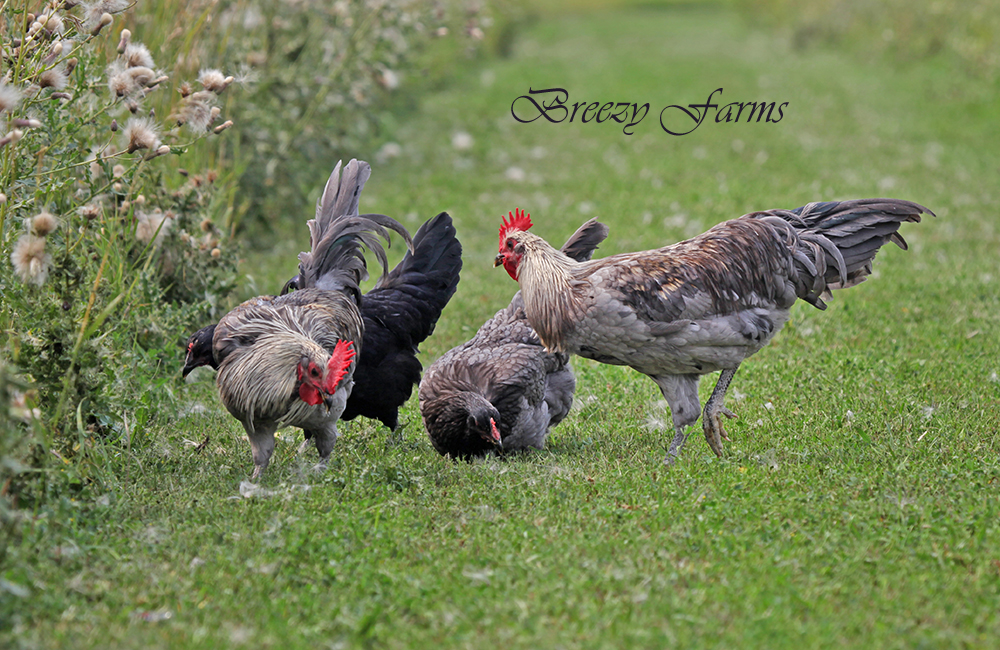
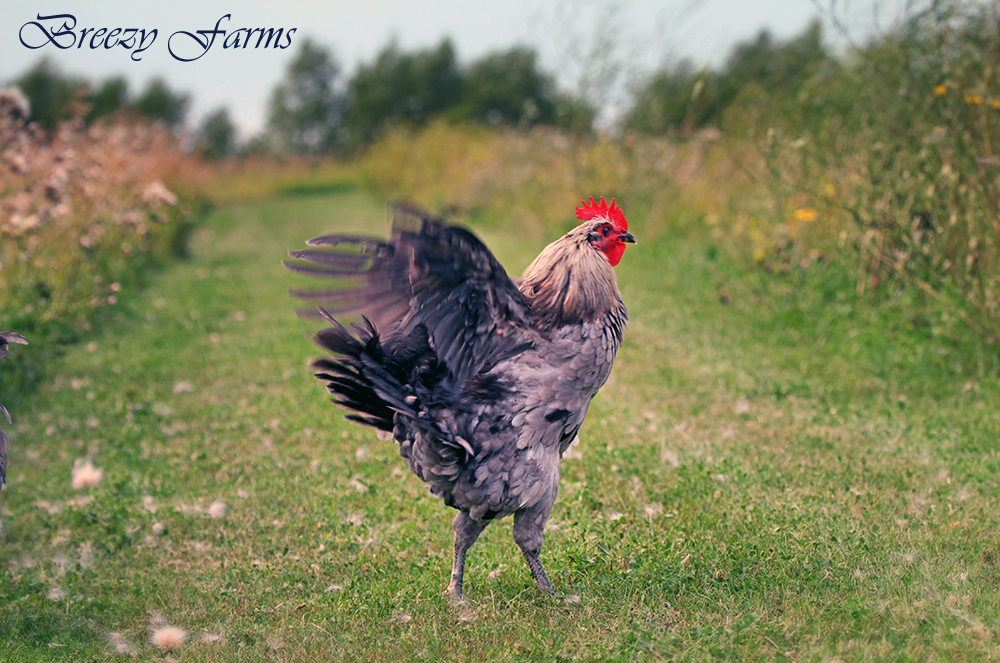
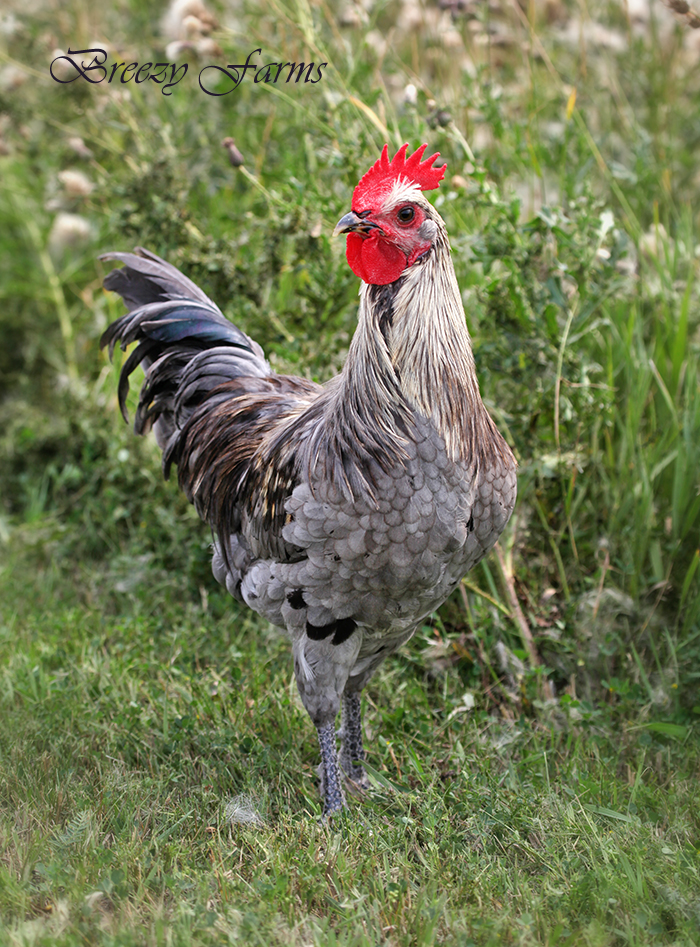
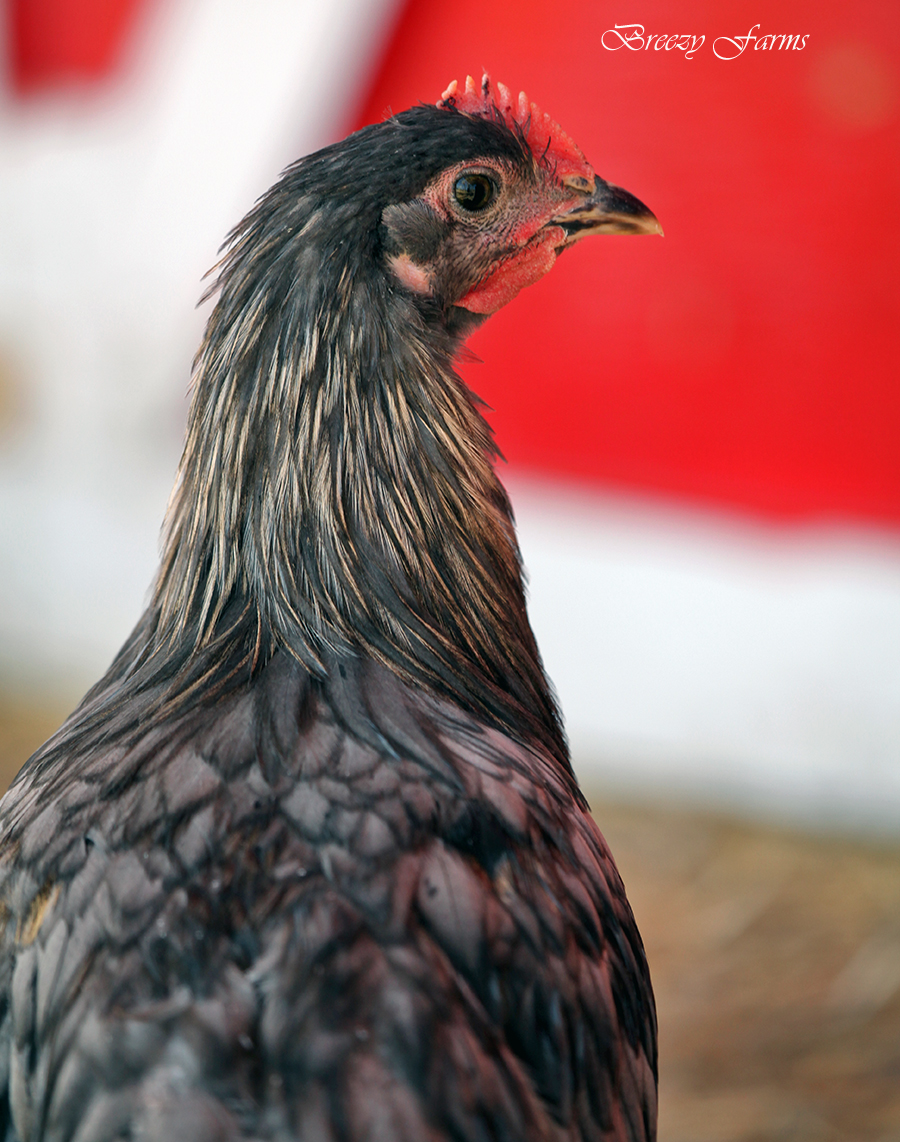
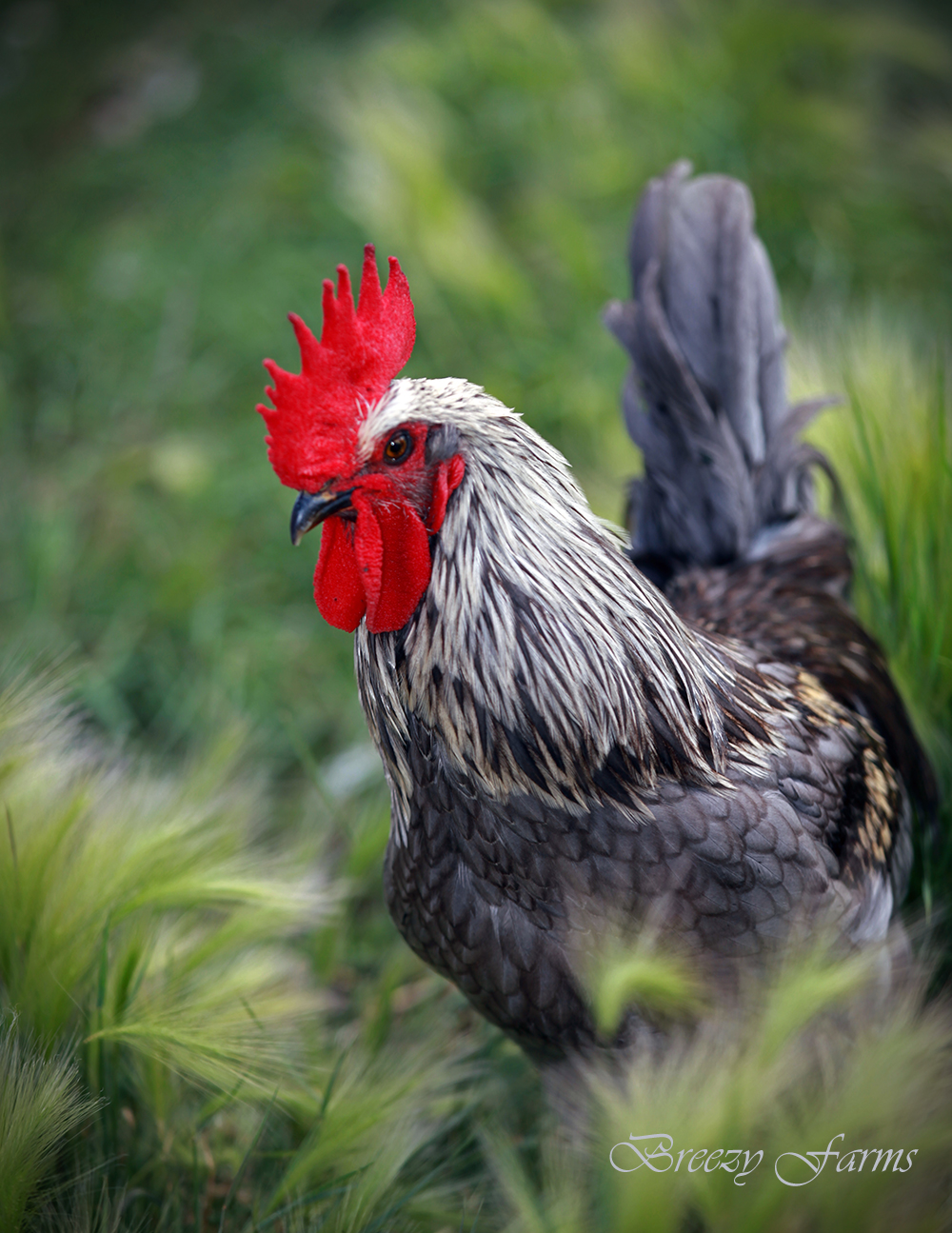
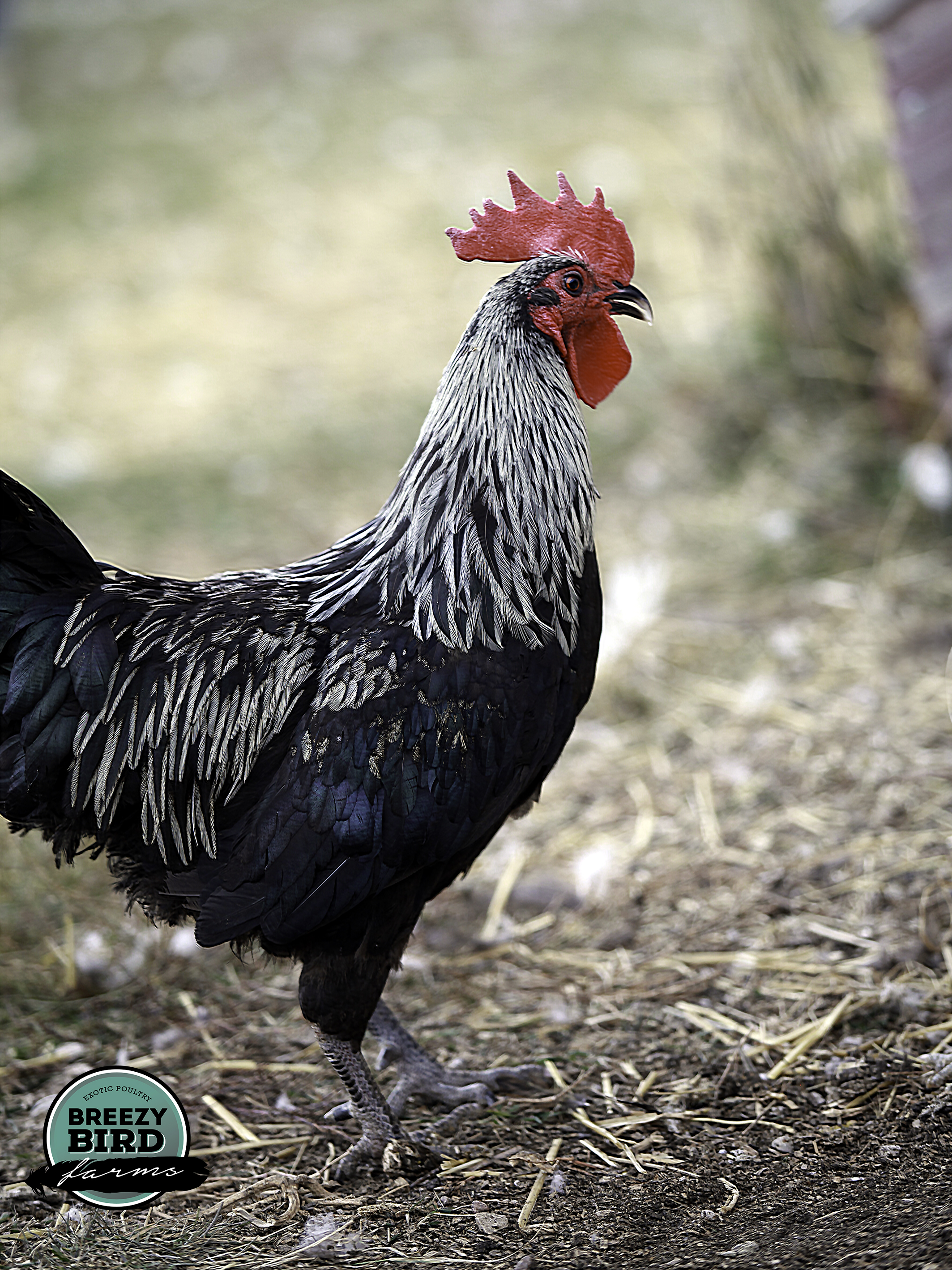
Silverudd’s Blue chickens were developed with a clear, modern objective: to combine strong utility traits with genetically diverse egg color. This breed is valued for its consistent laying ability, hardiness, and the production of blue and green-toned eggs across multiple color varieties. Unlike heritage landraces, Silverudd’s Blues are the result of intentional, contemporary breeding aimed at practicality, resilience, and productivity. They appeal to keepers looking for dependable layers with visual diversity in both bird and egg without sacrificing function.
Origin
Silverudd’s Blue was developed in Sweden in the late 20th century by breeder Martin Silverudd. The breed was created through selective crossbreeding with the goal of producing hardy, productive chickens capable of laying blue and green eggs while maintaining strong health and adaptability. The name ISBAR (an acronym formed from Swedish breed components) is an older reference and is now more commonly replaced by the name Silverudd’s Blue.
Egg Production & Weight
Silverudd’s Blues are reliable layers, producing medium-sized blue to green eggs depending on individual genetics. Annual production is moderate to good, making them well suited for small-scale farms and mixed-purpose flocks where consistency is valued over maximum output.
Silverudd's are a lighter to medium-body utility breed. Adults weights vary by line, but they are generally smaller than heavy dual purpose breeds while remaining sturdy and active.
Egg Color
Egg color varies by line and individual bird and may include:
- light blue
- turquoise
- green olive-toned hues
Color intensity can vary seasonally and genetically and is considered part of the breed’s appeal rather than a fixed standard.
Temperament
Silverudd’s Blues are generally alert, curious, and active birds. They adapt well to free-range environments and structured farm systems alike. While not typically docile lap birds, they are manageable with regular handling and integrate well into mixed flocks.
 Behavior
This breed is known for its foraging ability and environmental awareness. Silverudd’s Blues are engaged birds that prefer space and activity, making them well suited for setups where they can explore and self-regulate through movement. They are adaptable to smaller inviroments where caging is necessary, whether for safety or set up.
Hardiness
Silverudd’s Blues are cold-hardy and adaptable, performing well in northern climates when provided with appropriate shelter. Their resilience was a key focus during development, contributing to their overall durability.
Purpose
Silverudd’s Blue chickens are considered a layer-focused utility breed, prized primarily for egg color diversity and reliable production rather than exhibition or ornamental traits.
Conservation Status
Silverudd's Blue is a relatively modern breed. Conservation status can vary by region and registry recognition, but it is generally considered a developing or less common breed compared to mainstream commercial layers.
Conservation Efforts
Ongoing preservation relies on intentional breeding selection for health, egg color consistency, and functional traits. Responsible breeding programs focus on maintaining hardy, productive lines while avoiding excessive narrowing of genetics.