Ancient
The Russian Pavlovskaya is one of the oldest known chicken breeds in the world. Highly distinctive in appearance yet surprisingly functional, this breed combines cold hardiness, foraging ability with a dramatic, unmistakable look.
History
The Pavlovskaya originated in the village of Pavlovo, Russia, and is considered one of the foundation breeds for many crested and bearded chickens that came later, including the Polish. Documented as early as the 17th century, the breed nearly went extinct during political and agricultural upheaval in Russia. Dedicated conservation efforts revived it in the late 20th century, preserving its original form and genetics.
 Breed Overview
Origin
Russia
Weight
- Rooster: approximately 4.5–5.5 lb
- Hen: approximately 3.5–4 lb
Appearance
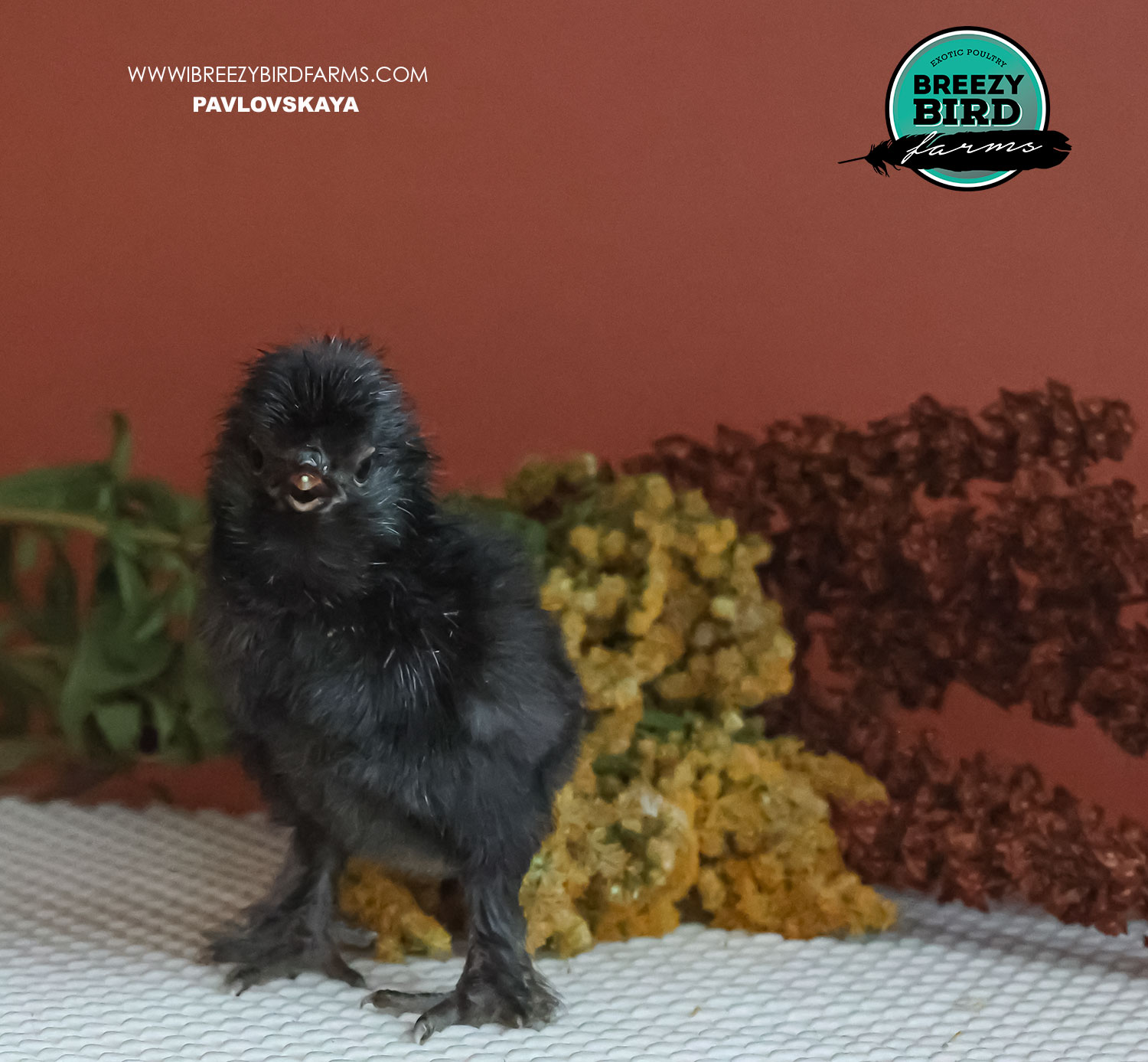
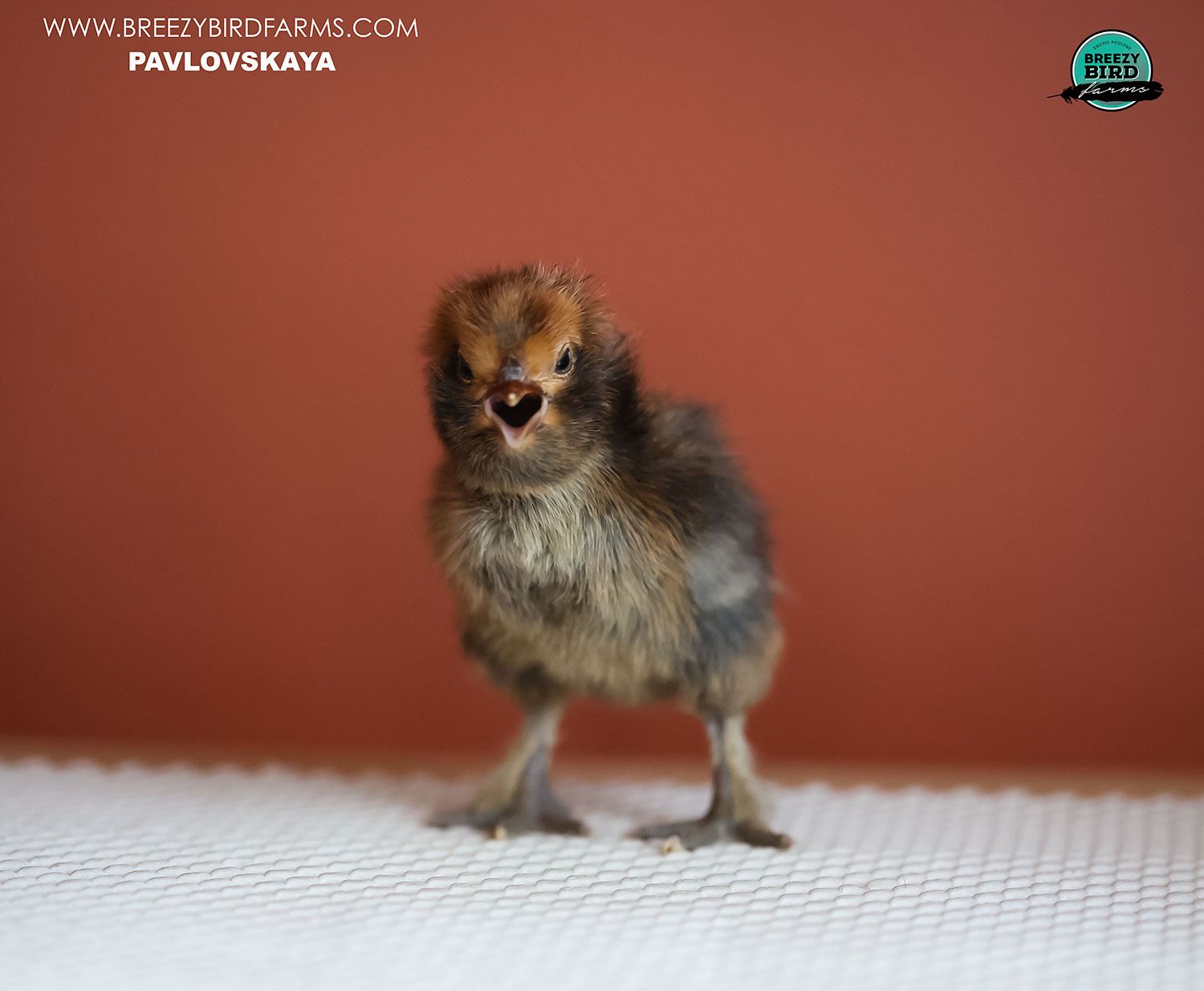
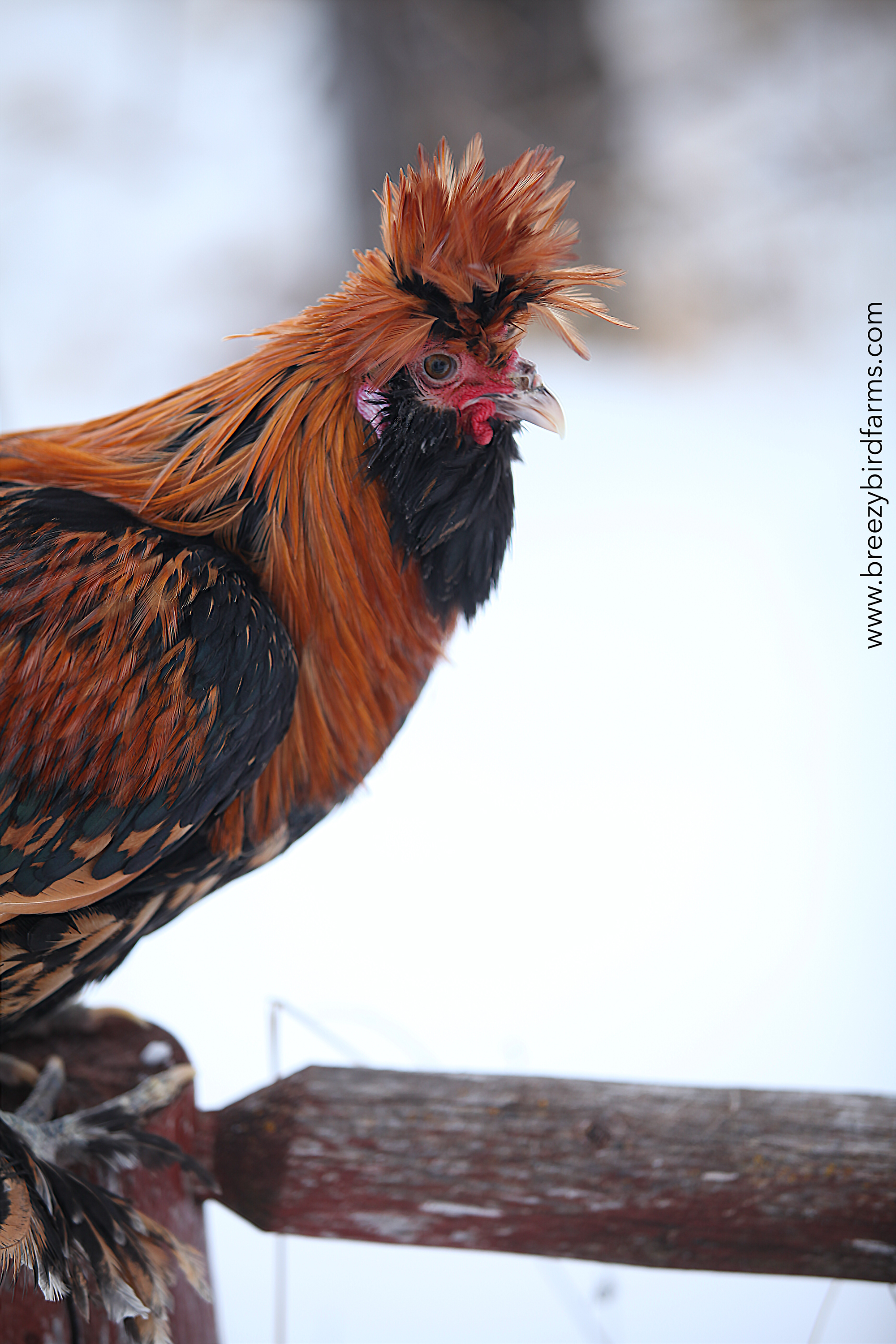
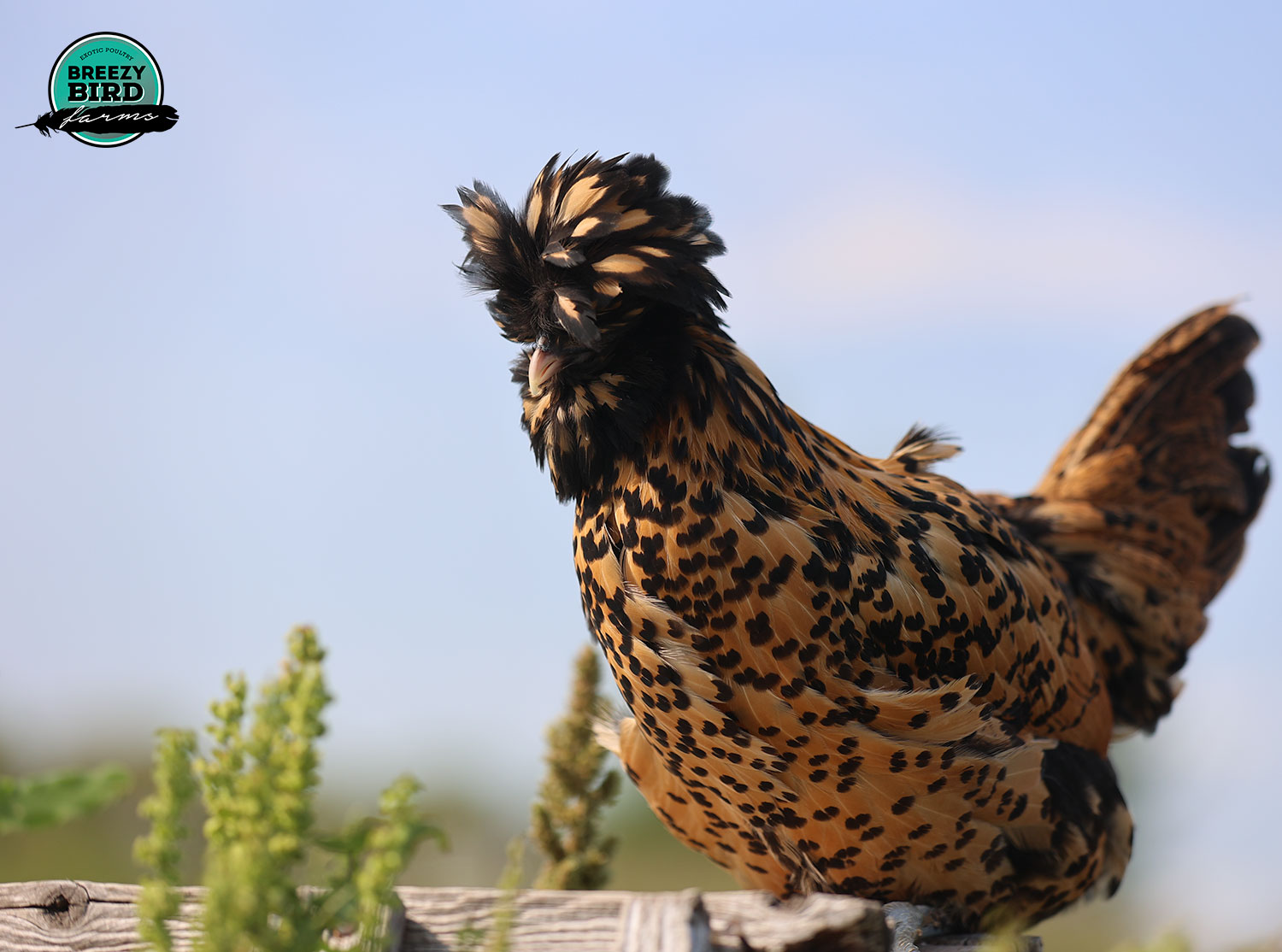
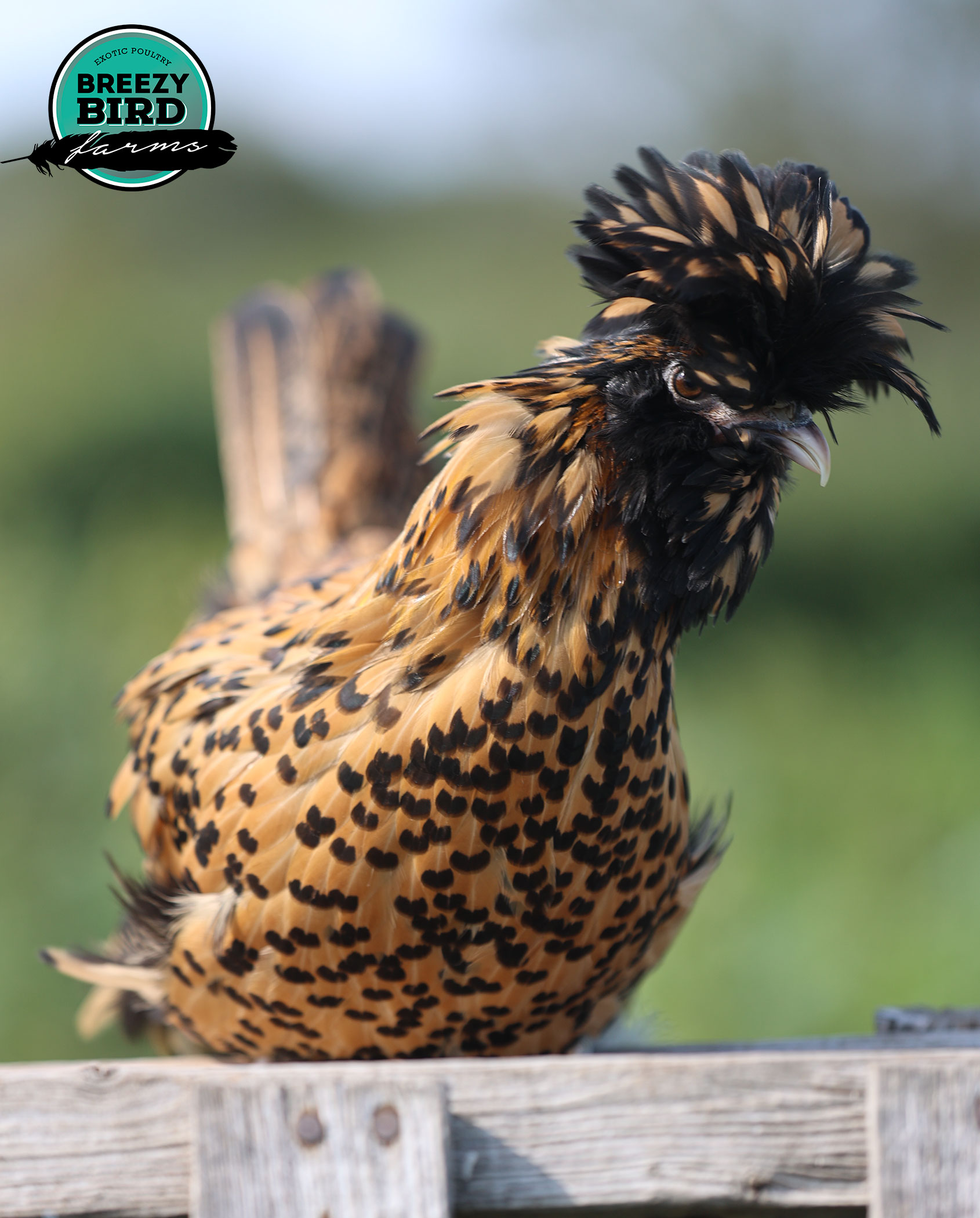
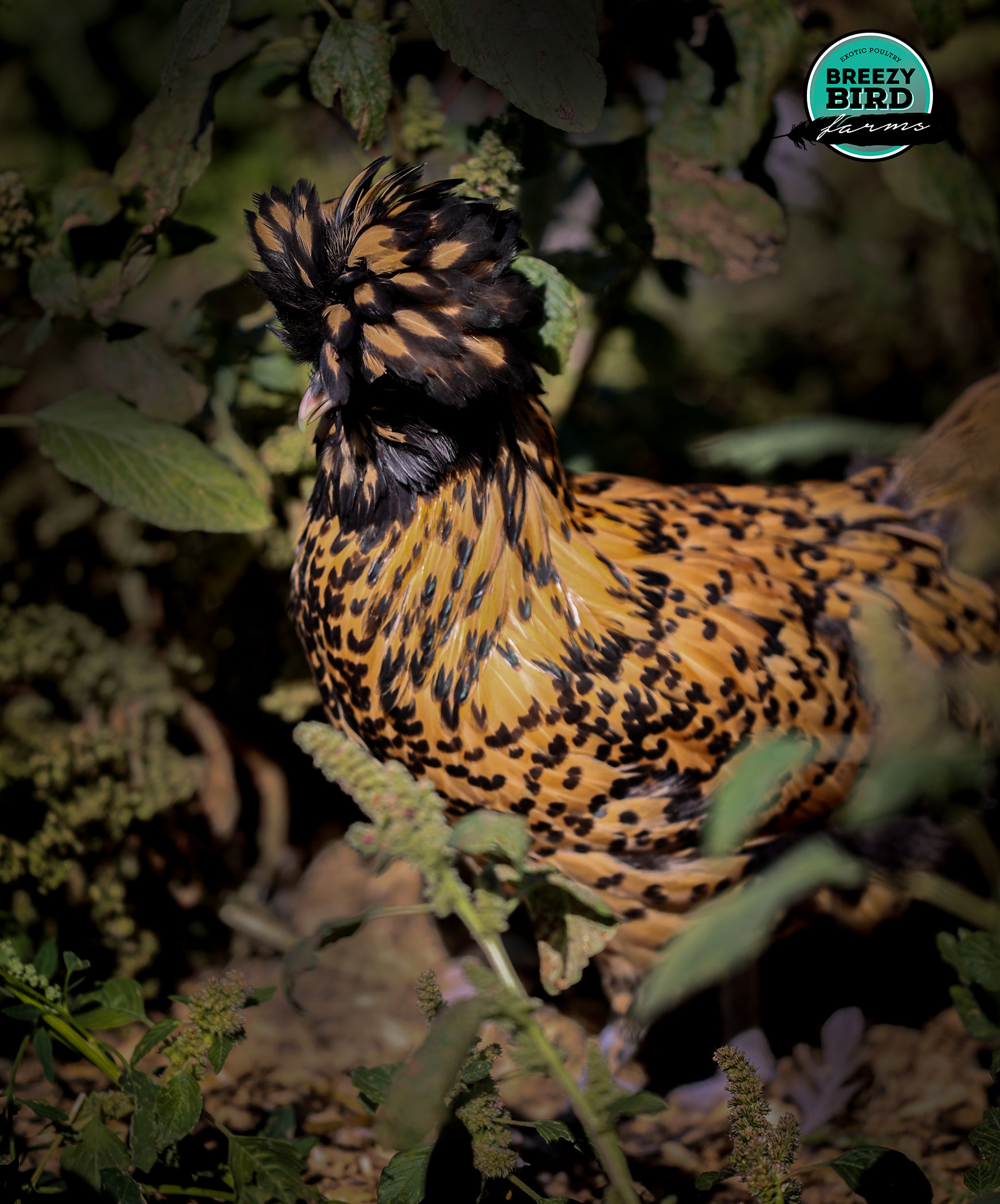
Pavlovskaya chickens are visually striking, with a forward-swept crest, full beard and muffs, feathered legs, and a compact, athletic body. Common color varieties include Gold and Silver, often with dramatic black patterning.
Egg Production
Moderate, Approximately 150–200 eggs per year
 Egg Color
Cream to light brown
Temperament
Alert, intelligent, and active. Generally people-aware rather than cuddly, with a confident but non-aggressive disposition.
Behavior
Excellent foragers with high environmental awareness. Agile and quick-moving. Less prone to bullying than other crested breeds due to better forward vision.
Hardiness
High. Exceptionally cold-hardy, developed to withstand harsh Russian winters. Feathered legs and dense plumage provide natural insulation.
Purpose
Dual-purpose (eggs and ornamental appeal), conservation breeding
Conservation Status
Rare
 Conservation Efforts
Maintained by conservation breeders focused on preserving original structure, coloration, and genetic traits unique to the Pavlovskaya lineage.
Notes
The Pavlovskaya combines ancient genetics with practical traits, making it more than just a visual novelty. While visually dramatic, it is resilient, capable, and well-suited to colder climates. Best appreciated by keepers interested in both history and function.