Balanced
The Wyandotte is a classic dual-purpose breed valued for its calm temperament, reliable egg production, and cold-hardy nature. Well suited to Canadian climates, Wyandottes are steady layers and adaptable birds that perform consistently in backyard and small farm settings.
 Breed Overview
Origin
United States, developed in the late 1800s
History
The Wyandotte was developed in the late 1800s in the northeastern U.S. as a practical dual-purpose breed suited to colder climates. It was created by crossing several established breeds, including the Hamburg, Brahma, and Dark Cornish, with the goal of producing a bird that combined good egg production, meat quality, and winter hardiness. The breed was officially recognized in the American Poultry Association’s Standard of Perfection in 1883, originally in the Silver Laced variety. Additional color varieties were developed and standardized later.
Weight
Hens: 6 to 6.5 lb
Roosters: 8 to 8.5 lb
 Appearance
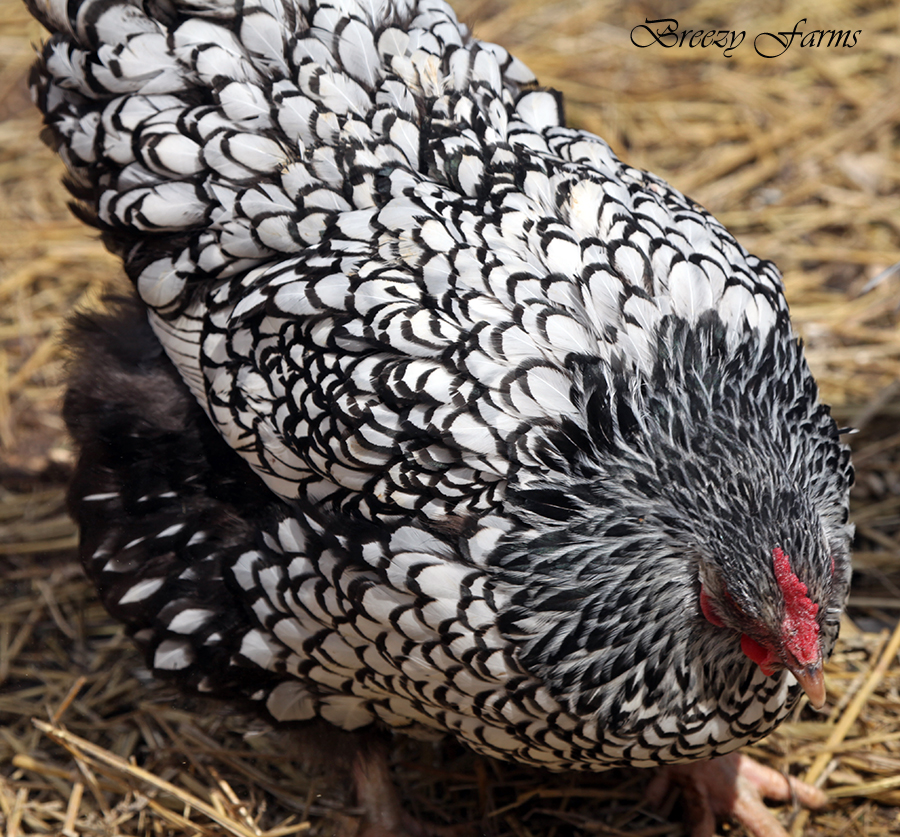
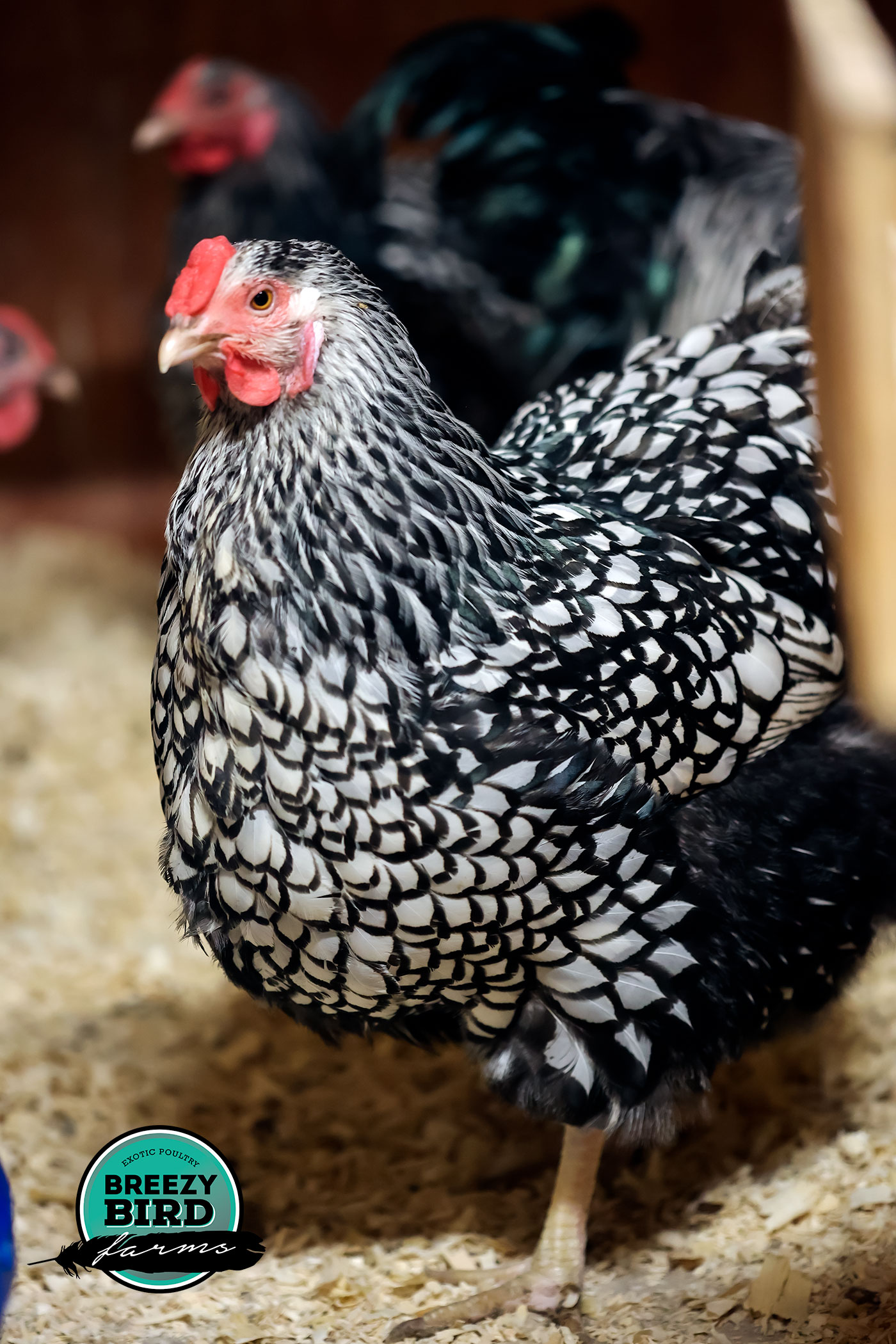
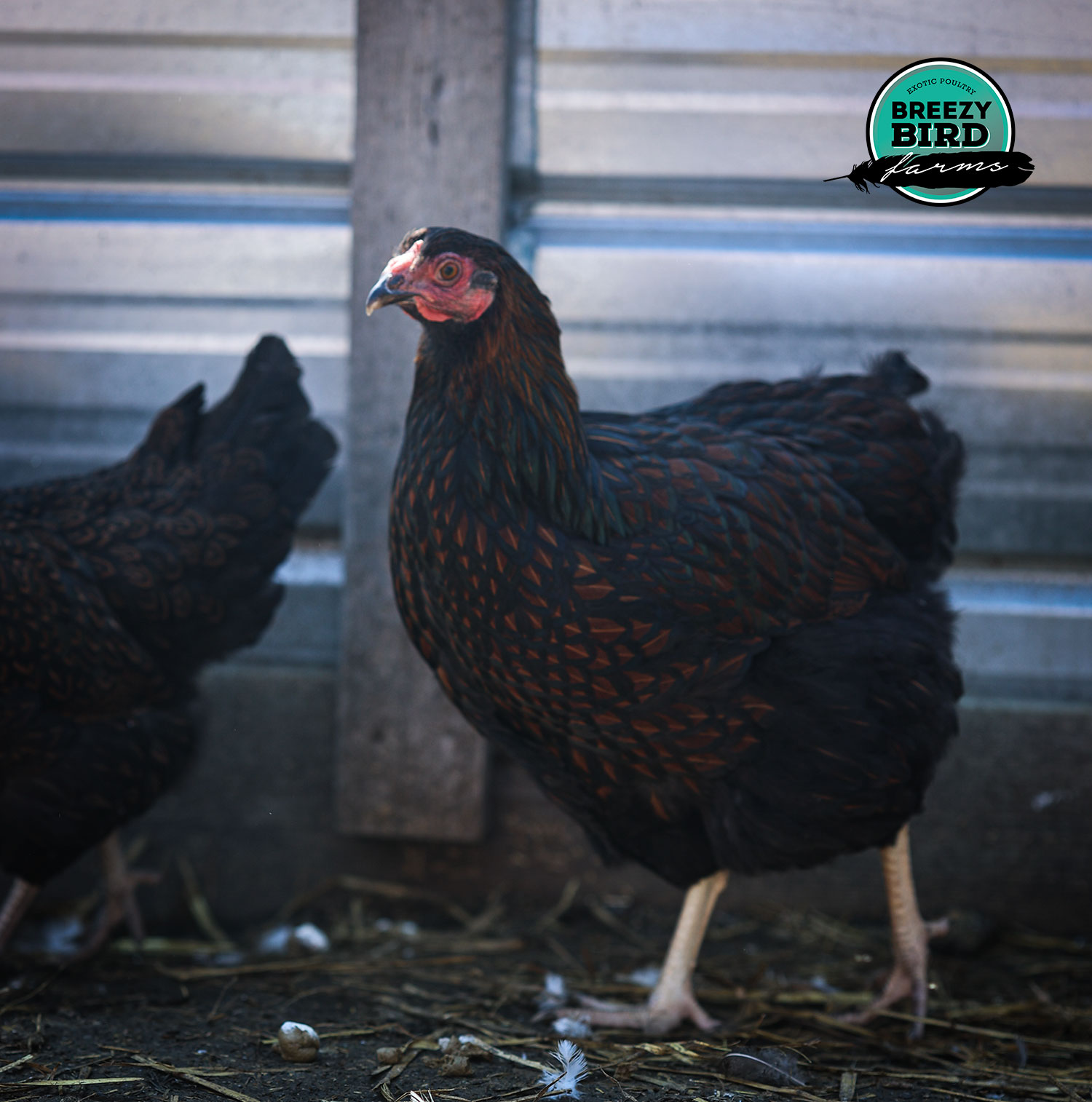
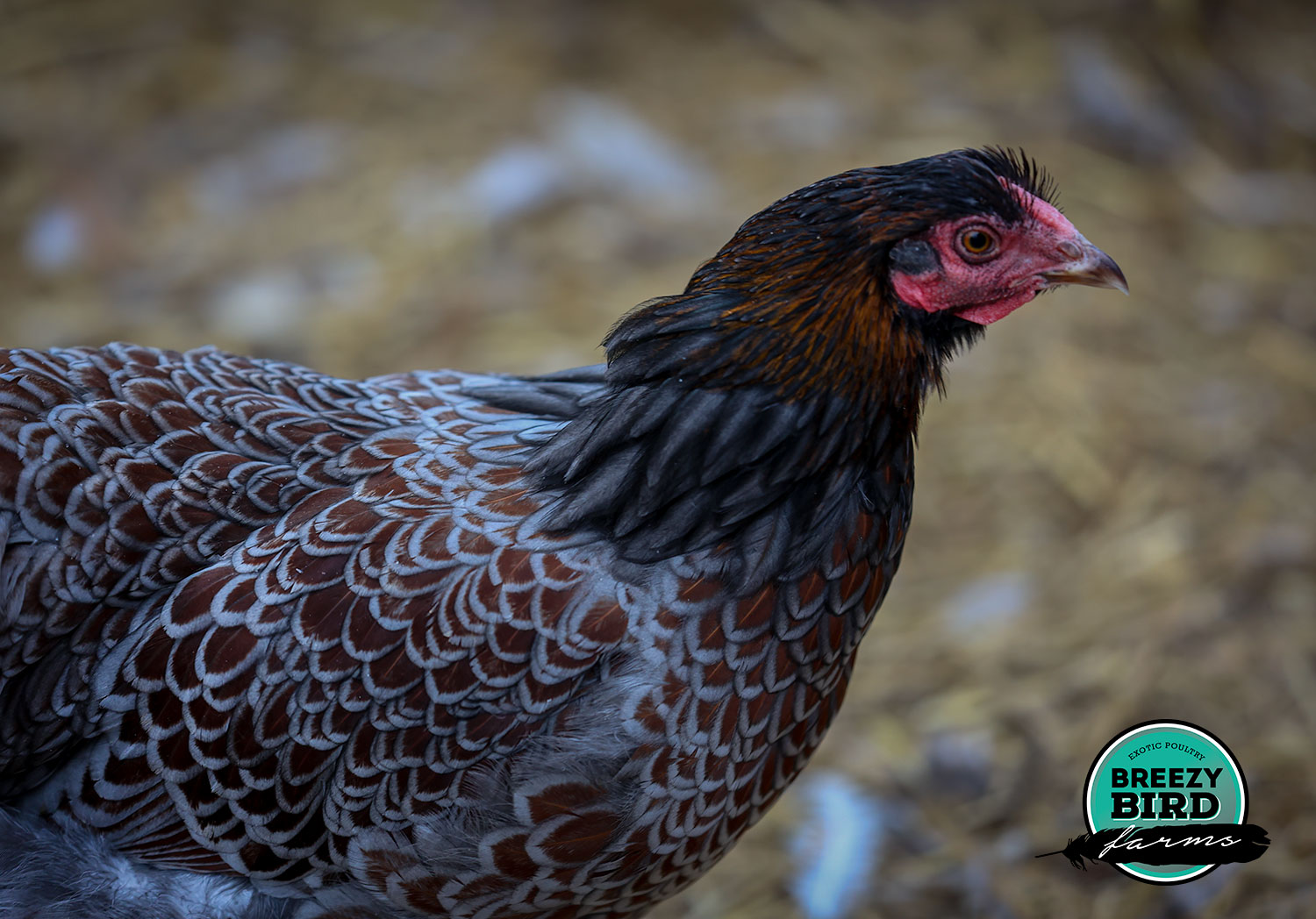
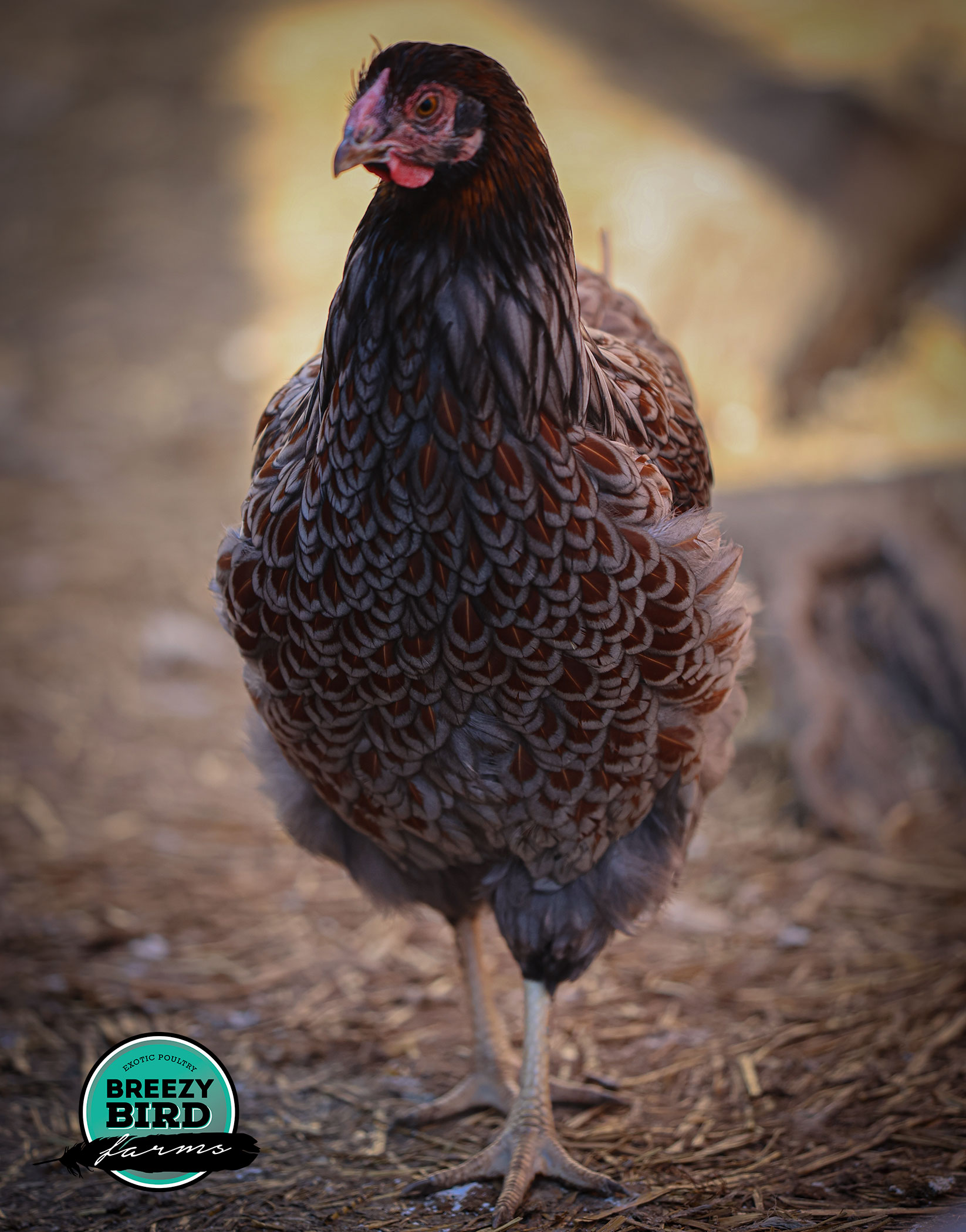
Broad-bodied and well-rounded with a full breast and tight feathering. Wyandottes are known for their rose comb, which resists frostbite. They come in many recognized color varieties, including Silver Laced, Gold Laced, Blue Laced Red, Black, and White.
Egg Production
Good, steady production
Approximately 180–220 eggs per year
Egg Color
Light brown to brown
Temperament
Calm, friendly, and generally easy to handle. Suitable for families and mixed flocks.
Behavior
Active foragers but not flighty. Tend to integrate well with other breeds and are not overly aggressive.
Hardiness
Very cold hardy. Rose comb and dense feathering make them well suited for winter conditions.
Purpose
Dual-purpose: eggs and meat
Also popular for exhibition due to their appearance
Conservation Status
Not threatened; widely established
Conservation Efforts
Maintained through backyard breeders and heritage poultry programs
Notes
Wyandottes are dependable birds that balance productivity, temperament, and resilience. Their adaptability makes them a strong choice for both new and experienced poultry keepers.
In 2026 the farm carries, Silver laced, Blue Laced Red